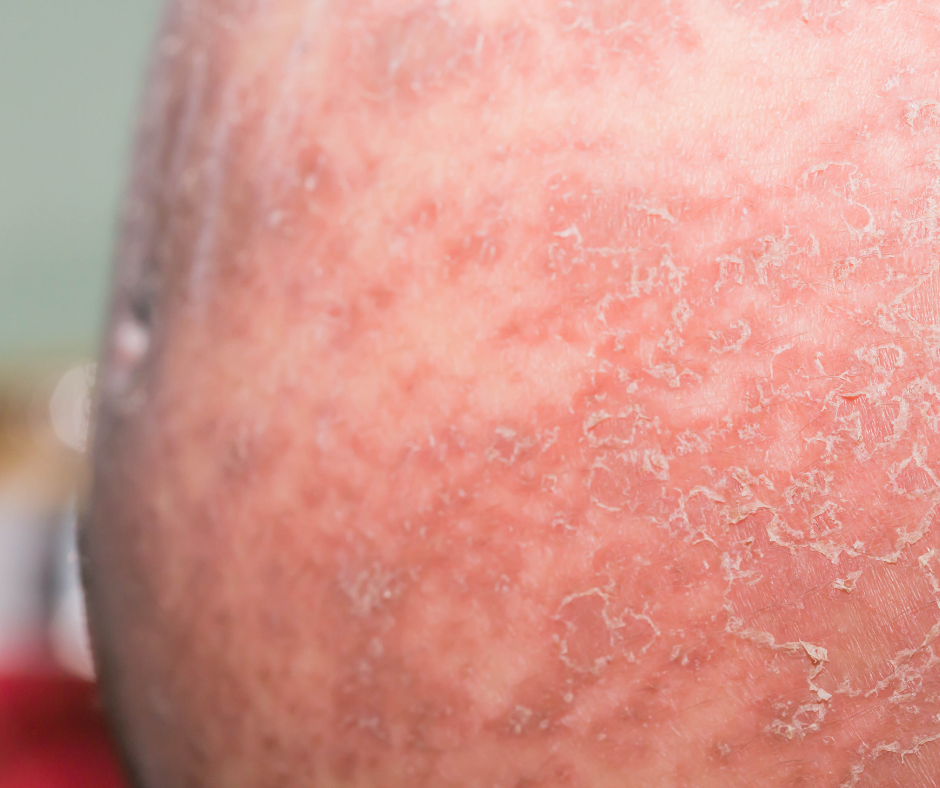
Seborrhoeic alopecia this term is used to refer to excessive hair loss associated with scalp disorders, in particular excessive sebum production and chronic inflammation. The problem most often accompanies seborrhoeic dermatitis of the scalp, which can affect the condition of the hair and the environment in which the hair follicles function.
Excessive sebum production, an imbalance in the skin’s microbiome and persistent inflammation can lead to a deterioration in hair quality. Hair may become weaker, become greasy more quickly, and its growth cycle may be disrupted.
The most common symptoms associated with seborrhoeic alopecia These include excessive oiliness of the scalp, flaking, itching, redness and increased hair loss during washing or daily hair care.
Treatment of alopecia The treatment of seborrhoeic dermatitis requires identifying the cause of the problem and assessing the condition of the scalp. Treatment may include measures aimed at reducing inflammation, regulating the activity of the sebaceous glands and improving conditions for the proper functioning of the hair follicles.
Diagnostic tests, including a trichological examination, enable the nature of the condition to be determined and an appropriate course of treatment to be selected, tailored to the patient’s needs.
Find out which treatment plan will work best for you
Body contouring • Weight loss • Aesthetic medicine • Acne treatment Laser hair removal • Hair loss treatment • Snoring treatment